

freestanding mirror with lights
The Right Angle Metal Ruler An Essential Tool for Precision When it comes to precision in measurement, the right angle metal ruler stands out as a quintessential tool for various fields including architecture, engineering, construction, and graphic design. Whether you’re a professional in these areas or a DIY enthusiast, understanding the utility and importance of a right angle metal ruler can greatly enhance your projects. What is a Right Angle Metal Ruler? A right angle metal ruler is a sturdy, straight-edged tool typically made of stainless steel or aluminum, characterized by a 90-degree angle at one end. This tool is designed to offer both accuracy and durability, making it ideal for creating precise angles and measurements. Unlike plastic rulers, metal rulers provide additional benefits, such as resistance to wear and the ability to withstand demanding working environments. Key Features 1. Durable Material The metal construction of the ruler provides superior strength and longevity, ensuring it withstands daily use without bending or breaking, which is common with plastic alternatives. 2. Accuracy The straight edges of a metal ruler provide a precise reference line for cutting and measuring, reducing errors that can occur with less rigorous measuring tools. 3. Easy to Clean Metal rulers can be easily wiped down and maintained, ensuring they remain free of markings and debris that can affect measurements. 4. Versatility Right angle rulers are not only useful for measuring; they are also essential in drawing straight lines and angles, making them a versatile addition to any toolbox. 5. Graduation Marks Most right angle metal rulers come with measurement markings that are etched or printed onto the surface. These markings can be in metric, imperial, or both, catering to different preferences and needs of users. Applications right angle metal ruler The right angle metal ruler finds its application in a variety of scenarios - Construction and Carpentry Builders and carpenters use the ruler to ensure walls are straight, angles are correct, and cuts are precise, thereby guaranteeing structural integrity and aesthetic appeal. - Graphic Design Artists and designers rely on metal rulers to create clean, crisp lines in their sketches or digital layouts, which is essential for both hand-drawn work and computer-aided design. - Education In educational settings, particularly in mathematics and engineering, right angle metal rulers are used to teach principles of geometry and measurement, providing students with a tangible tool for their learning. - Crafting and Model Making Hobbyists and crafters utilize these rulers for model building, ensuring that their projects adhere to specified dimensions and designs accurately. Benefits of Using a Right Angle Metal Ruler One of the primary benefits of using a right angle metal ruler is the increased accuracy it provides. When working on projects that require precision, such as drafting blueprints or creating intricate designs, even the slightest mismeasurement can lead to significant errors. The right angle ensures that you maintain correct angles, leading to professional results. Additionally, the durability of metal rulers ensures they last for years, making them a worthwhile investment. With proper care, they can be an enduring tool in your collection. Another advantage is the ease of use. Many metal rulers feature a non-glare finish that allows for easy reading under various lighting conditions. Some models even come with built-in handles or grips for added comfort and control during use. Conclusion In conclusion, the right angle metal ruler is an indispensable tool for anyone involved in fields that require precision and accuracy. Whether you are working on a large construction project or a small craft, this tool can make a significant difference in the quality of your work. Its combination of durability, accuracy, and versatility make it a must-have in every toolbox. Embracing the right angle metal ruler as your go-to measuring tool will ultimately lead to cleaner, more accurate results across various projects, enhancing your skills and confidence in your craft. So, next time you reach for a measuring tool, consider the right angle metal ruler—your ally in precision.
about
freestanding mirror with lights
Grounding a Welding Table Ensuring Safety and Efficiency Welding is a crucial process in various industries, from construction to manufacturing. However, it comes with inherent risks, particularly related to electrical hazards. One of the most effective ways to mitigate these risks is by properly grounding a welding table. This article will explore the importance of grounding a welding table, the methods to achieve it, and the benefits that follow. Importance of Grounding Grounding a welding table is vital for a number of reasons. Primarily, it protects the welder from electrical shock. Welding involves high voltages that can be dangerous without proper safety measures. If a welder accidentally touches a live wire or an electrically charged component, grounding ensures that the electrical current has a safe path to the ground, reducing the risk of serious injury. Moreover, effective grounding helps prevent equipment damage. An ungrounded welding table can lead to electrical surges that might damage the welder or other electronic devices in the vicinity. By establishing a reliable grounding system, businesses can save on repair and replacement costs. Additionally, grounding improves the quality of the welded product. Electrical disturbances can create inconsistencies in the welding arc, leading to weak joints and subpar finishes. Grounding the table minimizes these disturbances, resulting in a cleaner and more efficient welding process. Methods to Ground a Welding Table Grounding a welding table involves a few straightforward steps. First, one must determine the grounding needs of the workspace and select appropriate materials. Generally, metal welding tables are grounded using a copper or aluminum grounding wire. 1. Prepare the Welding Table Ensure that the welding table is clean and free from rust or paint in the area where the ground connection will be made . This is crucial for an effective electrical connection. grounding a welding table 2. Choose the Right Grounding Method - Direct Grounding This involves connecting a grounding wire directly from the welding table to a grounding rod that is securely driven into the earth. This method is straightforward and highly effective. - Electrical System Grounding In some facilities, welding tables can be grounded via the building's electrical system. This requires connecting the table to an appropriate grounding terminal on an electrical panel. 3. Connect the Grounding Wire Use appropriate connectors to attach the grounding wire to the welding table. Bolts or clamps made of conductive material should be used to ensure a strong bond. 4. Test the Grounding Connection After installation, it’s important to test the grounding system. A multimeter can be used to check the continuity of the grounding wire and verify that it has a low resistance connection to the ground. Benefits of Proper Grounding The benefits of grounding a welding table extend beyond safety. First and foremost, it enhances the overall safety of the workplace. The reduction of electrical hazards creates a more secure environment for workers, which can improve morale and productivity. Additionally, grounding contributes to higher quality welds. With a stable ground connection, welders can achieve more consistent arcs and better penetration, leading to stronger joints. This not only enhances product quality but also reduces rework and scrap, ultimately improving efficiency. Improved equipment longevity is another significant benefit. Proper grounding can greatly reduce the wear and tear on welding equipment, ensuring that tools and machines last longer and function at their best. Conclusion In conclusion, grounding a welding table is an essential practice that ensures safety, improves efficiency, and enhances the quality of welds. By understanding the importance of grounding and implementing effective grounding methods, welders and organizations can protect both their employees and their equipment. Regular maintenance and testing of grounding systems are also crucial to ensure ongoing safety and effectiveness in the welding process. In a profession where safety is paramount, a well-grounded welding table is not just an option; it is a necessity.
-

High quality industrial productsagement

High quality industrial products
View Details -

Meet the diverse needs of customers

Meet the diverse needs of customers
View Details -

Strict quality control

Strict quality control
View Details -

Top raw materials

Top raw materials
View Details -

Trusted supplier

Trusted supplier
View Details
Our application

news and information

Valvola a saracinesca 1500
Valvole a Sfera 1500 Caratteristiche e Applicazioni Le valvole a sfera sono uno dei componenti fonda
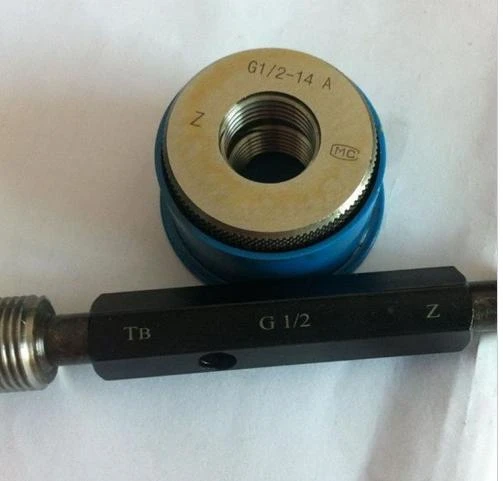
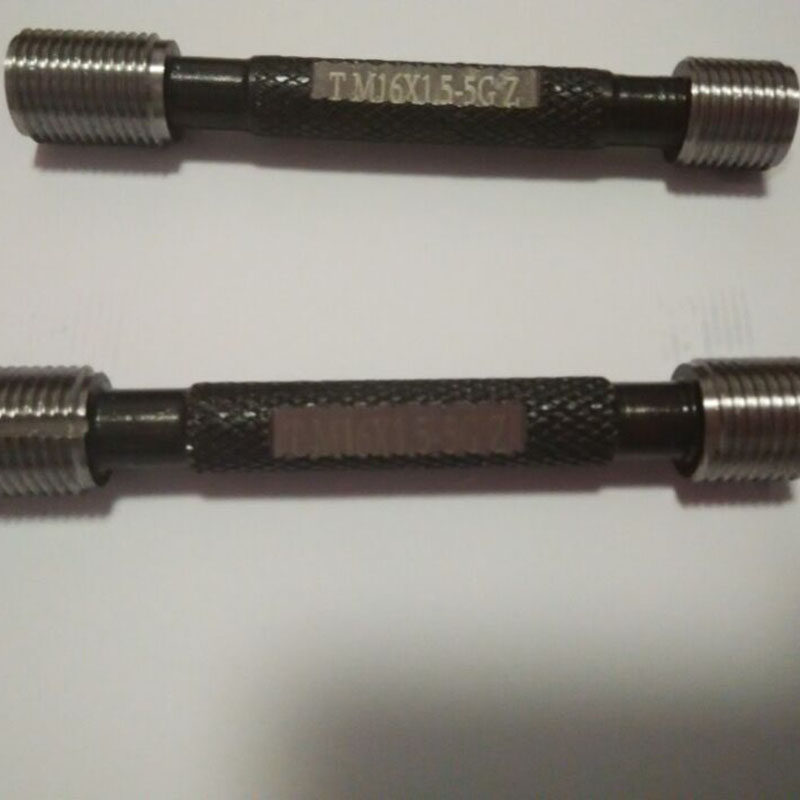
Using a Thread Ring Gauge for Precision Thread Measurements and Inspections
The Importance of Thread Ring Gauges in Quality Control Thread ring gauges are vital tools used in v
Y turi filtr uchun strainer va suyuqlik tozalash tizimlari
Y Turi Filteri va Suvni Tozalashda Uning O'rni Y turi filtri suvni tozalashda muhim rol o'ynaydi. Bu
 English